Speciality coffee isn’t about being snobby. It simply means coffee that’s been grown, processed and roasted carefully enough to taste of where it came from. Once you’ve had a bright, juicy Kenyan or a floral Geisha, it’s hard to go back to anonymous supermarket blends.
What makes coffee ‘speciality’?
Technically, it’s coffee that scores 80 points or more on a 100-point scale used by professional tasters. In practice, it means traceable coffee from a specific farm, co-operative or region, roasted to bring out its natural flavours rather than burnt to hide defects.
Origin: why where it’s grown matters
- Ethiopia: floral, tea-like, often with berry or citrus notes. The birthplace of coffee.
- Kenya: bright, juicy and full of blackcurrant and grapefruit.
- Colombia: balanced, sweet, caramel and red fruit. A great all-rounder.
- Brazil: nutty, chocolatey and low in acidity. The backbone of many espresso blends.
- Panama: home of the famous Geisha variety, delicate and jasmine-like.
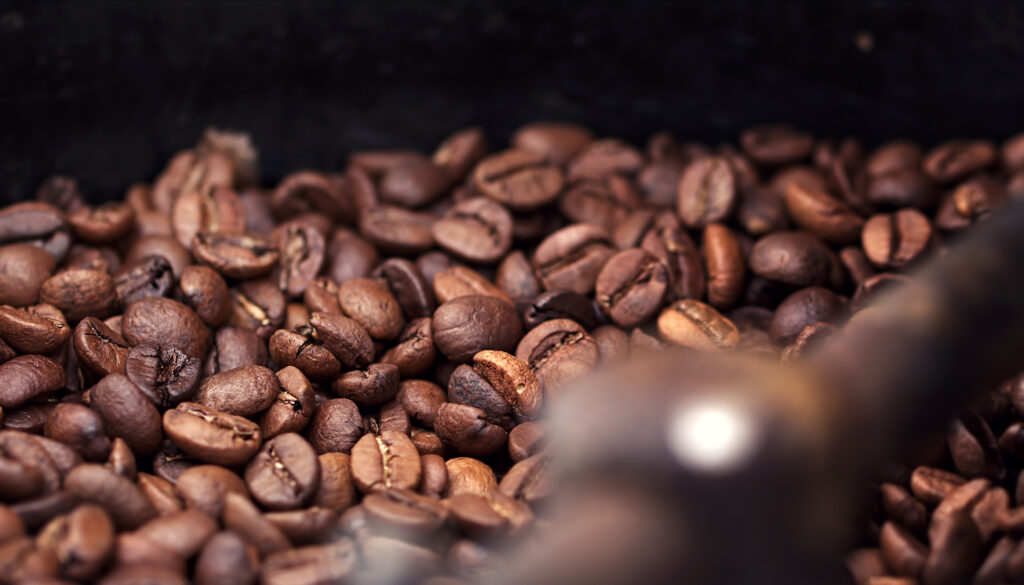
Process: the step most people overlook
After picking, the coffee cherry has to be removed from the seed (the bean). Washed coffees are cleaned before drying and taste crisp and clean. Natural coffees are dried inside the cherry, giving fruity, sometimes wine-like flavours. Honey process sits in between.
Roast: light, medium or dark?
Lighter roasts keep more of the origin character and acidity, and shine as filter coffee. Medium roasts balance sweetness and body and work brilliantly for espresso and milk drinks. Dark roasts are bold and bitter-sweet. There’s no wrong answer, just what you enjoy.
The beans we’d try first
- For a treat: Hayman 100% Panama Geisha Coffee Beans, 340g – the variety that turned coffee into an obsession.
- For espresso with milk: Union Original Blend Espresso Beans, 1kg or Pact Bourbon Cream Espresso Beans, 1kg.
- For bright filter coffee: Roast Shop Kenya Peaberry Coffee Beans, 1kg or Kiss the Hippo Vibrant & Bright Single Origin Beans.
- For an everyday all-rounder: Moreish Colombia Huila Single Origin Beans, 1kg.
- To explore origins: Black Donkey World’s Coffees Single Origin Gift Set – six single origins to compare.


How to keep beans fresh
Buy whole beans, grind just before brewing and use them within about a month of the roast date. Store them in an airtight container away from light and heat, such as the Airscape Kilo Coffee Canister. Never in the fridge, as moisture and smells get in.
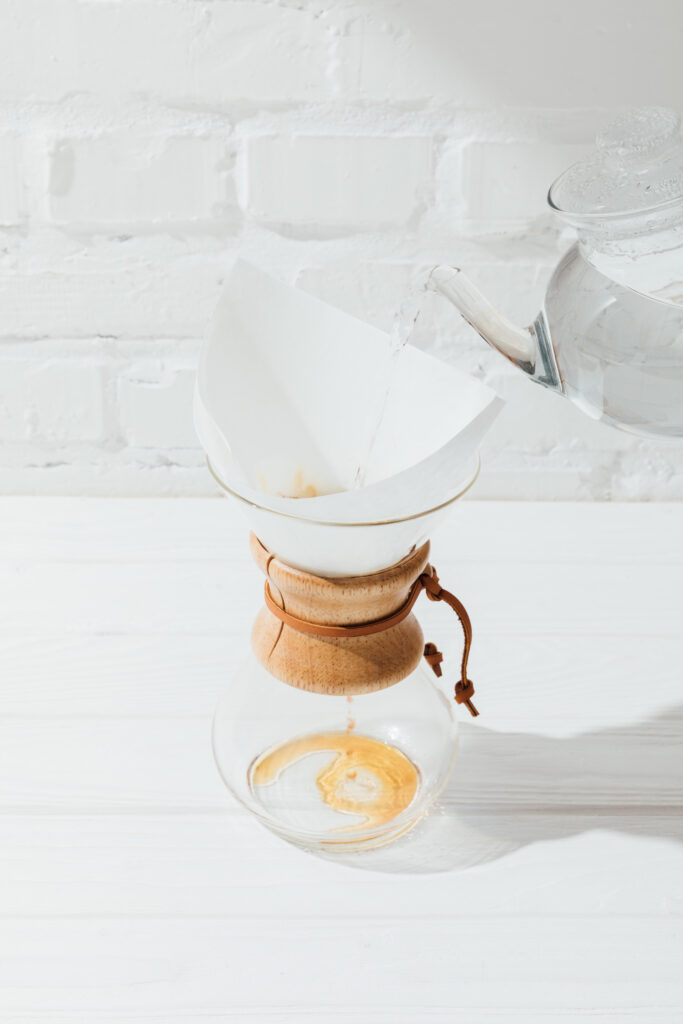
Grind fresh, taste the difference
Pre-ground coffee loses aroma within minutes. A good grinder is the single best upgrade you can make. See our guide to the best coffee grinders, then browse our full speciality coffee beans collection.
Frequently asked questions
Is speciality coffee worth the extra cost?
Per cup, the difference is usually pennies. A £15 bag of speciality coffee makes 15 to 20 cups, which is still far cheaper than a coffee shop, and the flavour difference is huge.
How long do coffee beans stay fresh?
Whole beans are at their best from about a week to a month after roasting. Ground coffee loses aroma within minutes, which is why grinding fresh matters.
What are the best coffee beans for espresso?
Medium roasts with chocolate, caramel and nut notes are the easiest to dial in and taste great with milk. Try Union Original Blend Espresso Beans, 1kg, Pact Bourbon Cream Espresso Beans, 1kg or Lavazza Espresso Barista Gran Crema Beans, 1kg.