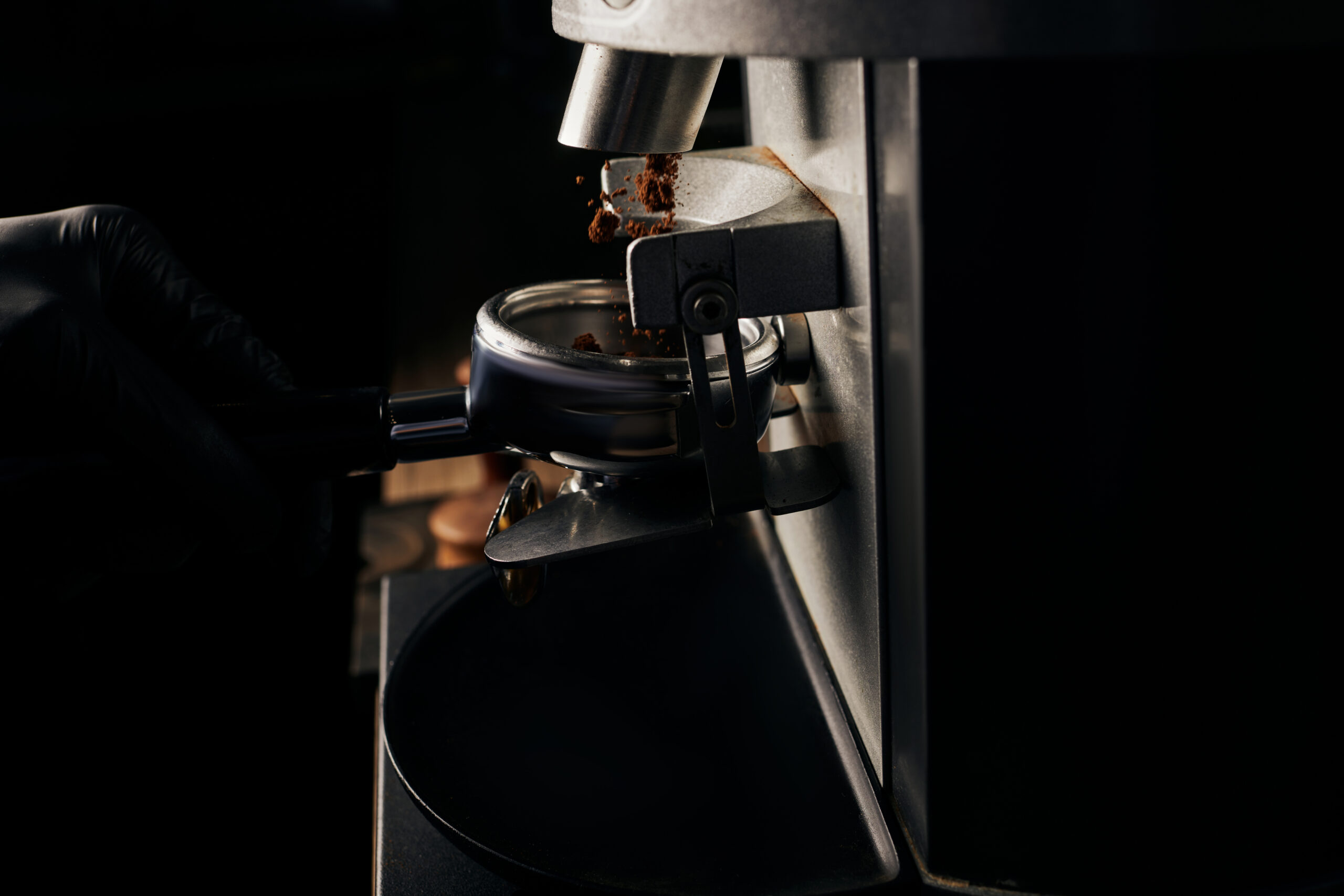
If you take one thing from this site, make it this: the grinder is the most important piece of coffee kit you own. It decides how evenly your coffee extracts, which decides whether your cup tastes sweet and balanced or bitter and sour. A great grinder will make cheaper beans taste better and expensive beans taste incredible.
The quick picks
- Best espresso grinder: Eureka Mignon Specialita, Matte Black – quiet, stepless, beautifully made in Italy.
- Best single-dose grinder: DF64 Gen 2 Single Dose Grinder – 64mm flat burrs and minimal retention, a cult favourite.
- Best for filter: Fellow Ode Gen 2 Flat Burr Grinder – designed for pour-over, cafetière and batch brew.
- Best hand grinder: Comandante C40 MK4 Hand Grinder, Walnut – the benchmark manual grinder, loved worldwide.
- Best café-grade: Eureka Mythos One, Polished Steel – serious burrs for serious home setups.


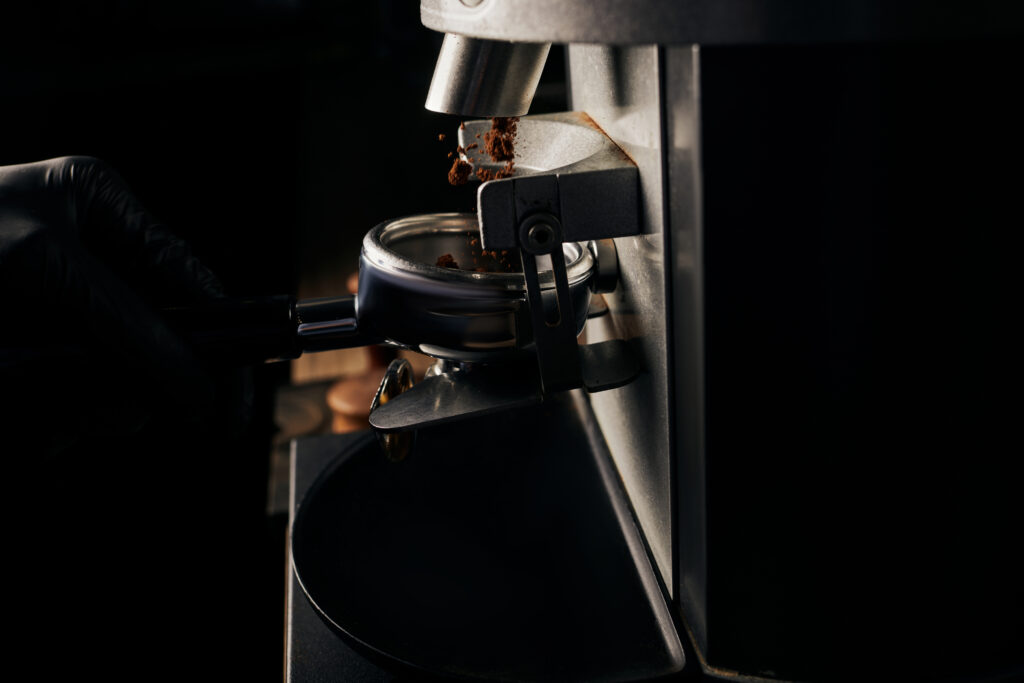
Burr type: flat or conical?
Both can be excellent. Flat burrs tend to produce a very even grind, which brings out clarity and sweetness, especially with lighter roasts. Conical burrs often give a little more body and texture, and are usually quieter and more forgiving. What matters most is burr quality and alignment, which is why we focus on proven names.
Espresso grinders
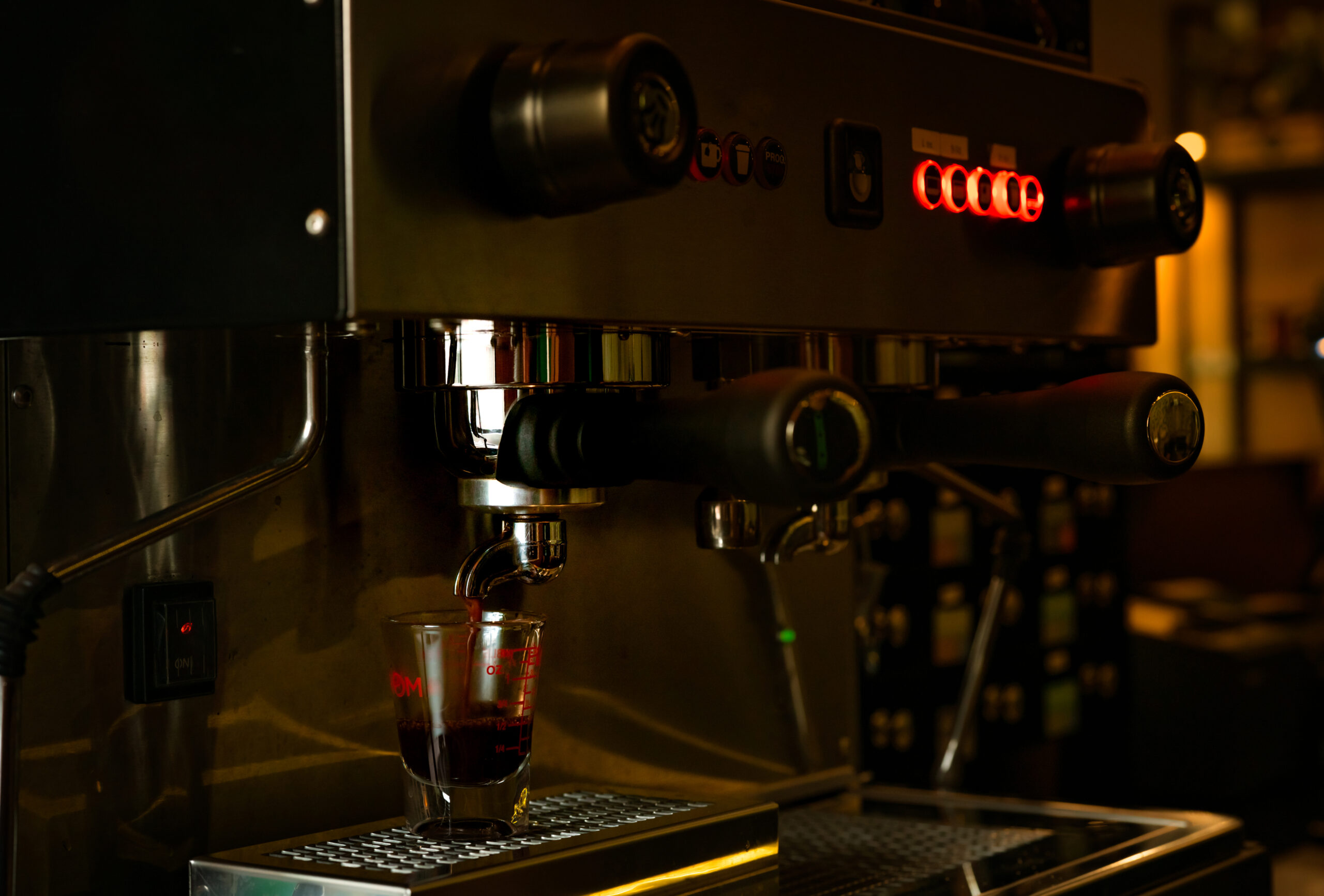
Espresso needs a very fine, very adjustable grind. Stepless grinders like the Eureka Mignon Specialita, Matte Black and Eureka Mignon XL, Chrome let you make tiny adjustments, which is exactly what dialling in requires. Want to go further? The Mahlkönig X54 Allround Grinder handles espresso and filter equally well, and the Eureka Mythos One, Polished Steel is about as close as you’ll get to a café grinder at home.
Single-dose grinders
Single dosing means weighing out exactly the beans you need for each drink, rather than keeping a hopper full. It keeps beans fresher and makes switching between coffees easy. The DF64 Gen 2 Single Dose Grinder kicked off the trend, and the MiiCoffee DF83V Single Dose Grinder adds variable speed and larger burrs if you want to experiment.
Filter grinders
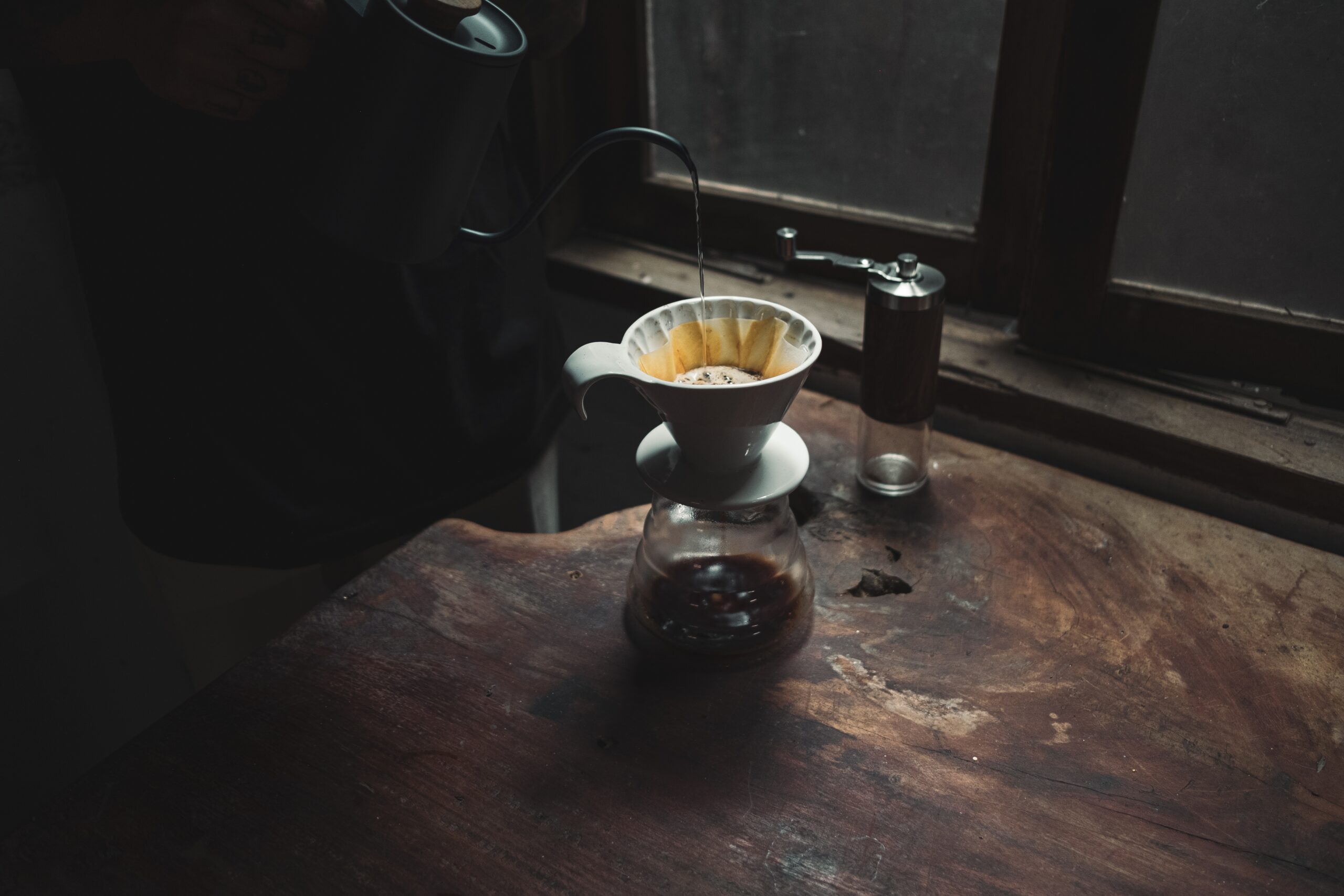
Pour-over and filter need a coarser, very consistent grind. The Fellow Ode Gen 2 Flat Burr Grinder is built for exactly this, and the Wilfa Uniform Burr Grinder is a quieter, simpler alternative that’s a joy to use for cafetière and batch brew. The Fellow Opus 2 Conical Burr Grinder covers both filter and espresso if you need one grinder for everything.
Hand grinders
Don’t dismiss hand grinders. The Comandante C40 MK4 Hand Grinder, Walnut and 1Zpresso K-Ultra Hand Grinder grind to a standard that rivals electric grinders costing far more, and they’re perfect for travel, small kitchens or anyone who enjoys the ritual. For espresso specifically, the 1Zpresso J-Ultra Hand Grinder has finer adjustment steps.
Two accessories that help
A set of scales like the Timemore Black Mirror DUO Coffee Scale lets you weigh your dose every time, and a WDT tool like the Subminimal Flick WDT Distribution Tool breaks up clumps for more even espresso. Small upgrades, noticeably better shots.
Explore the full range in our coffee grinders collection.
How to choose a coffee grinder
Start with how you brew. If it’s mostly espresso, choose an electric grinder with fine, stepless adjustment. If it’s mostly filter, AeroPress or cafetière, choose one built for consistency at coarser settings. Then think about workflow: a hopper is convenient for one coffee every day, while single dosing suits people who like to switch beans.
Best value electric coffee grinders
Not everyone needs a café-grade grinder. The Baratza Encore ESP Pro Grinder is a dependable choice for filter and entry-level espresso, and the Sage Smart Grinder Pro, Black Truffle has dozens of grind settings and a built-in timer, which makes it a popular partner for Sage machines. Both are big steps up from blade grinders.
Don’t forget scales
Weighing beans in and coffee out is the quickest way to consistent results. Timemore makes some of the best value coffee scales around: the Timemore Black Mirror Mini Coffee Scale is compact enough to sit on a drip tray, and the Timemore Black Mirror DUO Coffee Scale has dual displays for pour-over.
Electric or manual coffee grinder?
An electric coffee grinder is faster and easier for daily espresso, especially if you’re making several drinks. A manual coffee grinder costs less for the same grind quality, is silent and travels well, but takes 30 seconds or more of cranking per cup. Plenty of people own both: an electric grinder at home and a 1Zpresso J-Ultra Hand Grinder for weekends away.
How grind settings work
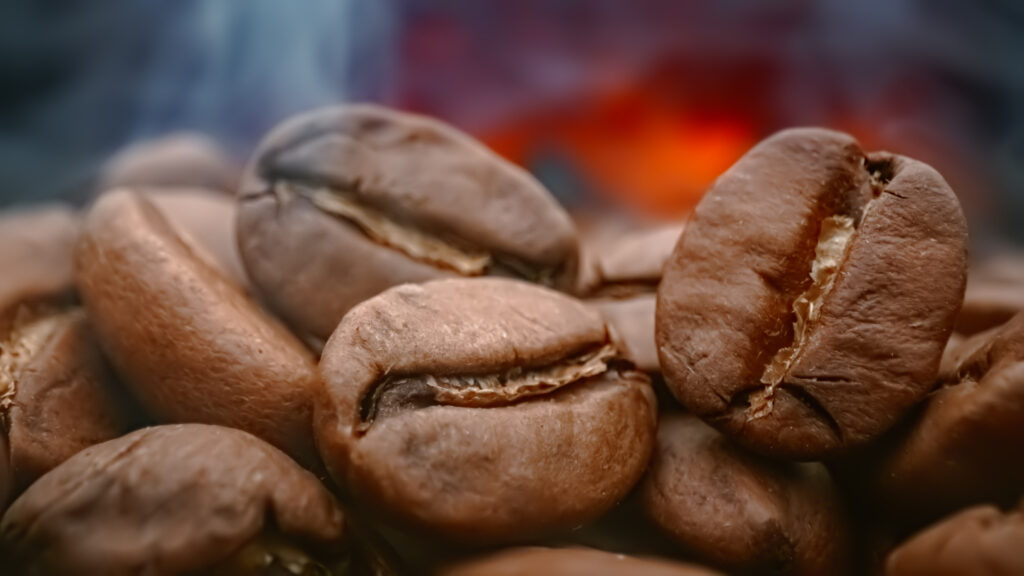
Grind settings control how fine or coarse your coffee is. Espresso needs very fine grounds and tiny adjustments, so look for stepless adjustment or lots of small steps. Filter coffee, cafetière and AeroPress use coarser grind settings, where consistency matters more than fine adjustment. A grinder with a wide, well-spaced range will handle every brew method you throw at it.
Frequently asked questions
How much should you pay for a coffee grinder?
For espresso, a quality electric grinder usually starts around £300 to £450. For filter only, £200 to £350 buys something excellent. Premium hand grinders sit around £150 to £300 and punch well above their price.
Is a burr grinder really better than a blade grinder?
Yes, by a long way. Blade grinders chop beans unevenly, giving you dust and boulders in the same dose. Burr grinders crush beans to a consistent size, which is what makes coffee taste balanced.
How do I clean a coffee grinder?
Brush out the burrs and chute every week or two, and use grinder cleaning tablets occasionally to absorb oils. Never use water on the burrs of an electric grinder.