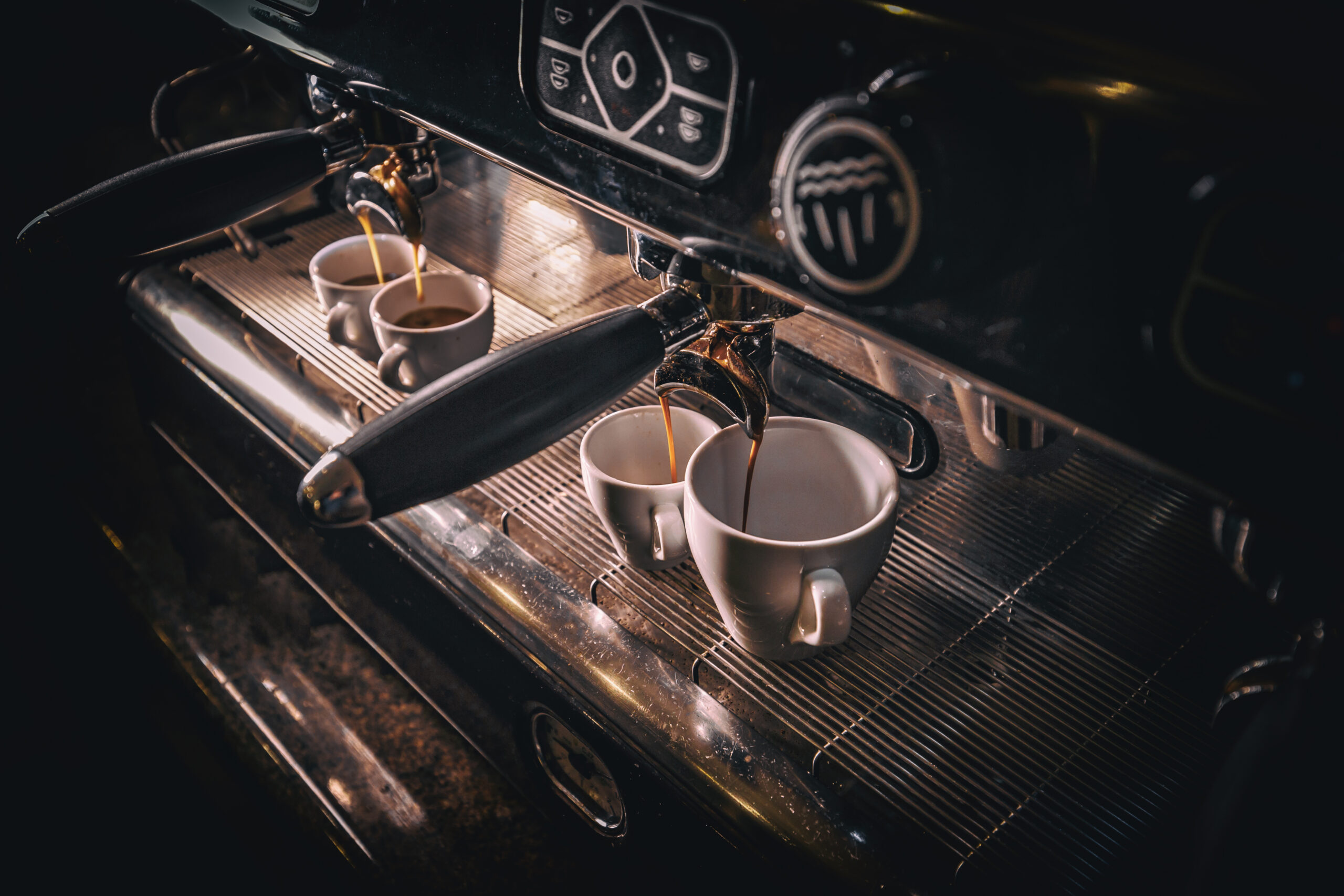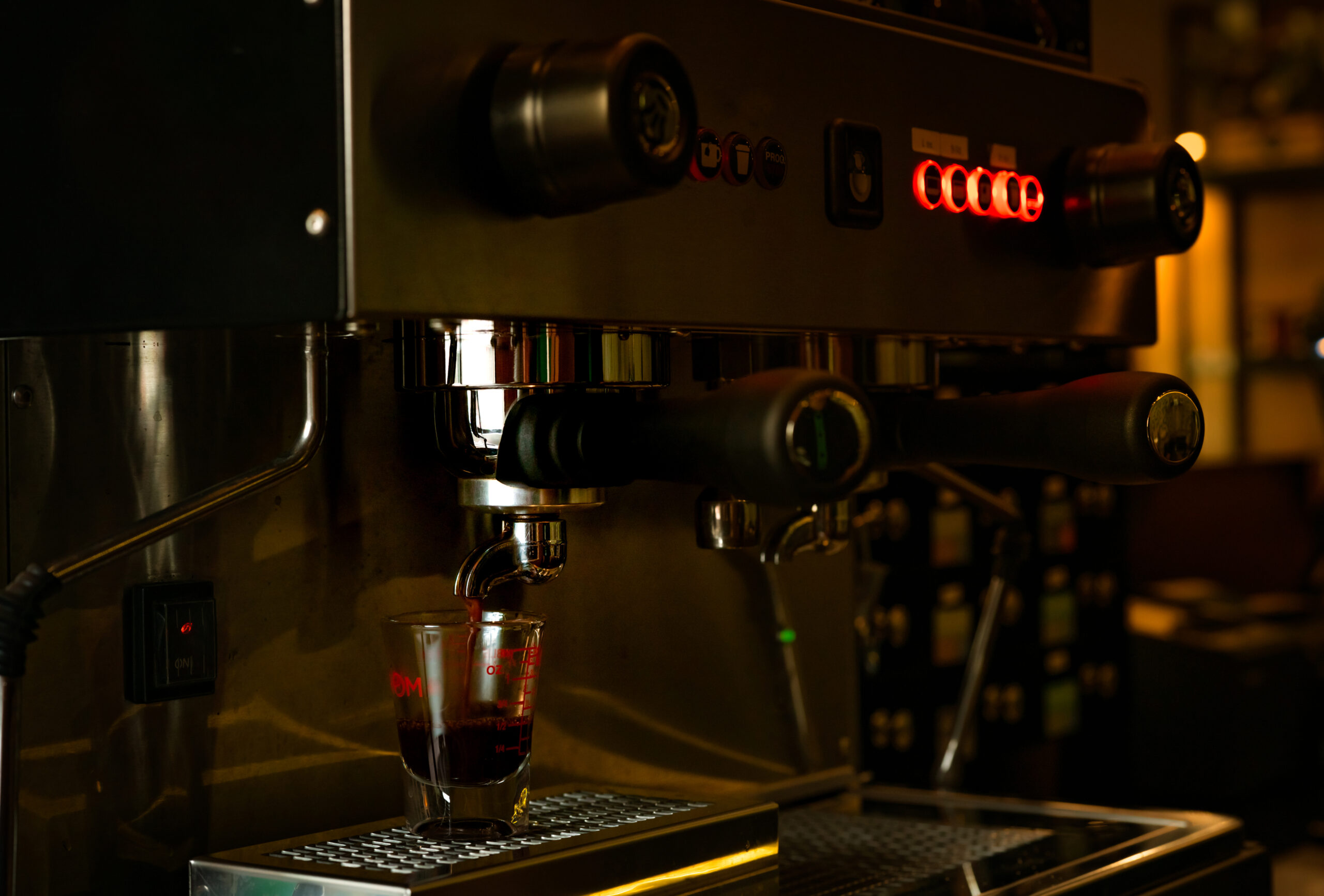
A bean to cup coffee machine does everything for you: grinds fresh beans, doses, tamps, brews and, on most premium models, textures milk too. You get coffee that’s miles better than pods with none of the learning curve of a traditional espresso machine. The catch? The difference between a good one and a great one is big, and it’s mostly down to the grinder, the brewing unit and the milk system.
Our top picks
- Best overall: Jura Z10 Diamond Onyx – Jura’s flagship, with outstanding hot and cold drinks and a grinder that adapts to each recipe.
- Best for espresso lovers: Sage Oracle Dual Boiler, Stainless Steel – automatic grinding and tamping with a proper dual boiler and 58mm portafilter.
- Best compact premium: Jura ENA 8 Metropolitan Black – small footprint, beautiful design, cracking coffee.
- Best for milk drinks: De’Longhi PrimaDonna Soul – a huge drinks menu and a lovely, silky milk system.
- Best built-in feel: Miele CM 6150 Bean to Cup Machine – Miele quality and simple cleaning.


Fully automatic or semi-automatic?
Machines like the Jura Z10 Diamond Onyx, Jura E8 Bean to Cup Machine, Black and Siemens EQ.9 s300 Bean to Cup Machine are fully automatic: press a button and the drink appears. Sage’s Oracle range, including the Sage Oracle Touch, Brushed Stainless Steel, Sage Oracle Jet, Black Truffle and Sage Oracle Dual Boiler, Stainless Steel, sits in between. It grinds and tamps for you, but you lock in the portafilter yourself and can steam milk manually. If you enjoy a bit of ritual, the Oracle feels more like a café machine. If you want speed and consistency for the whole household, go fully automatic.
What actually makes the coffee better
The grinder
Cheaper bean to cup machines use basic grinders that produce uneven grounds, which is why their espresso tastes flat. Premium models use better burrs and more precise settings, and it shows in the cup.
The brewing unit
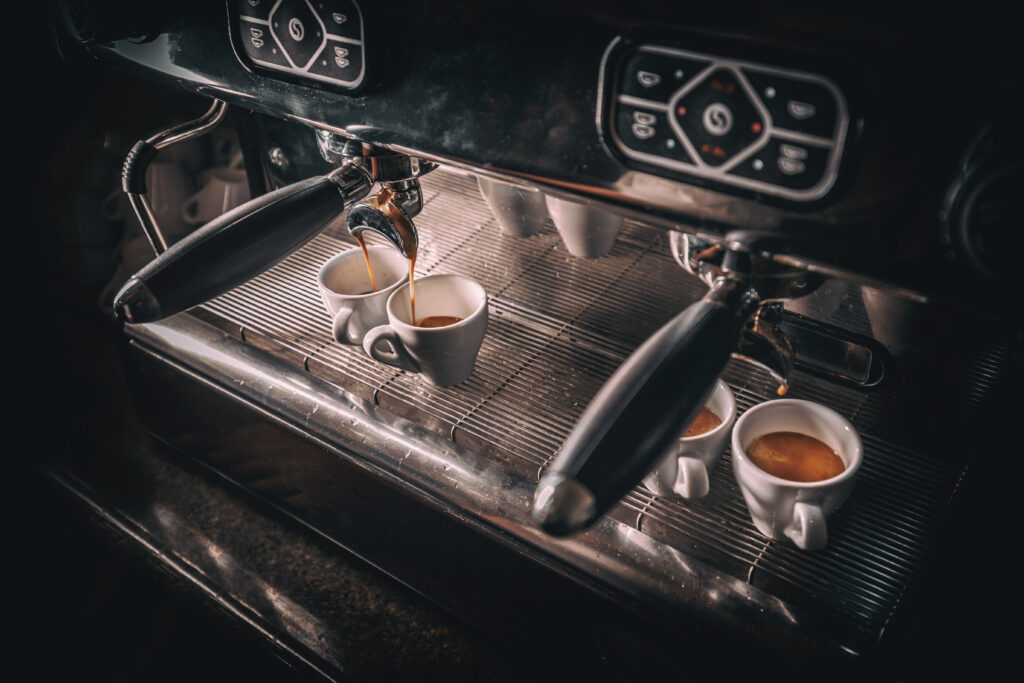
This is where the coffee is compressed and extracted. Jura’s units are fixed and cleaned automatically, while De’Longhi and Siemens use removable units you rinse under the tap. Both work well; it’s just a preference.
The milk system
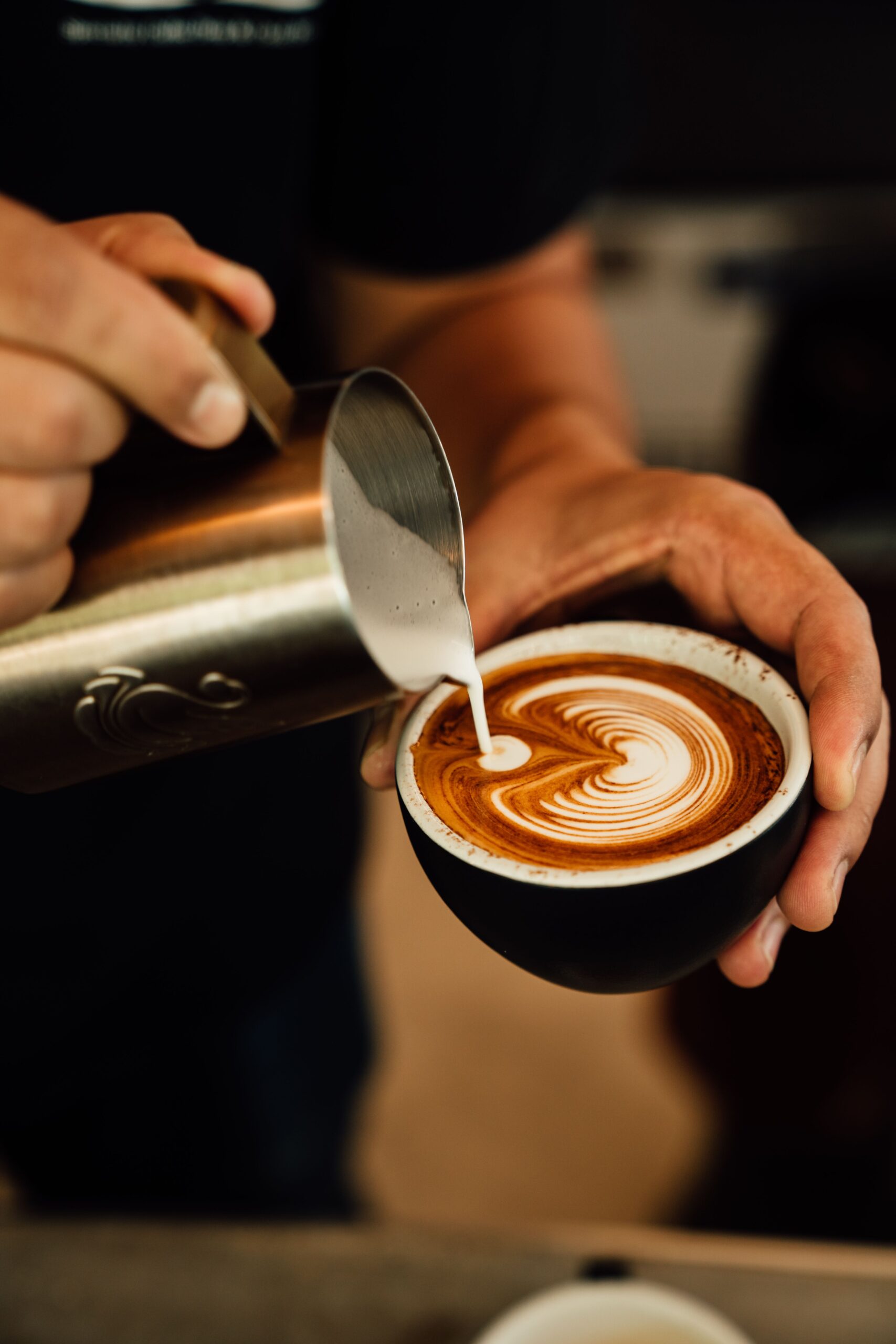
Look for automatic milk frothing with adjustable texture if you love flat whites. The De’Longhi PrimaDonna Soul and De’Longhi Eletta Ultra both handle hot and cold milk foam, and the Sage Sage Barista Touch Impress, Brushed Stainless Steel lets you choose your milk temperature and texture.
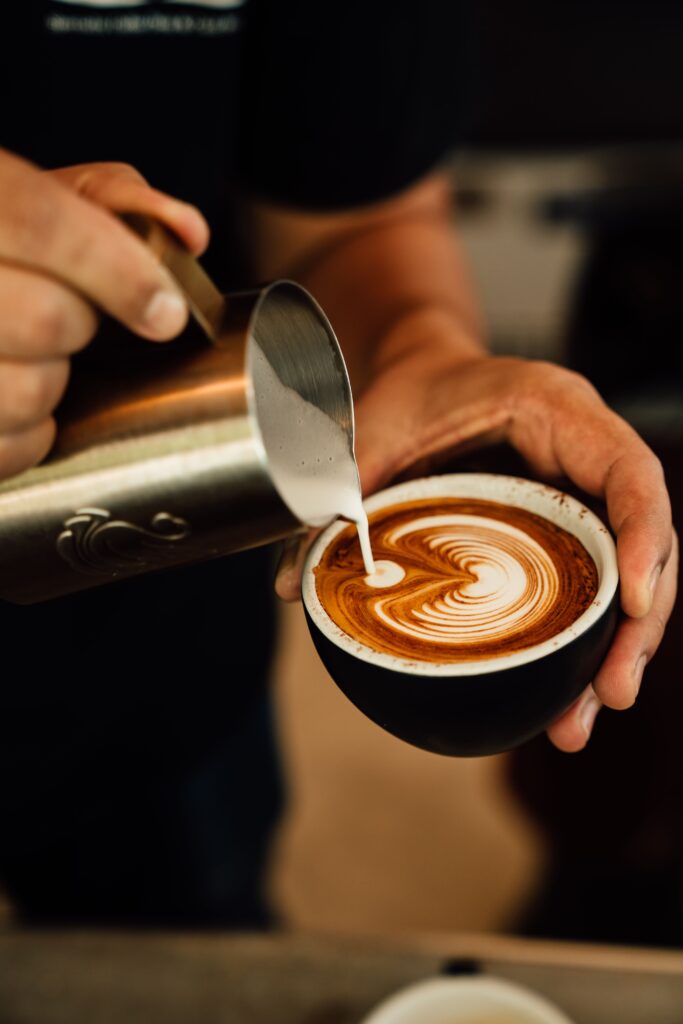
Beans matter more than you’d think
Very dark, oily beans can clog bean to cup grinders over time. A medium roast designed for espresso, such as Union Original Blend Espresso Beans, 1kg or Lavazza Espresso Barista Gran Crema Beans, 1kg, gives you rich flavour and keeps the machine happy. Browse more in our coffee beans collection.
Looking after a bean to cup machine
- Empty the drip tray and grounds container daily.
- Clean the milk system after every use; most premium machines have an automatic rinse.
- Run the cleaning and descaling programmes when prompted, using the manufacturer’s tablets.
- Use a water filter cartridge if your machine supports one, especially in hard water areas.
Which should you buy?
- Money no object, want the best drinks: Jura Z10 Diamond Onyx.
- Love espresso and want some control: Sage Oracle Dual Boiler, Stainless Steel.
- Short on space: Jura ENA 8 Metropolitan Black.
- Big household of latte drinkers: De’Longhi PrimaDonna Soul or Siemens EQ.9 s300 Bean to Cup Machine.
See every model we rate in our bean to cup coffee machines collection.
Frequently asked questions
Are bean to cup coffee machines worth it?
If you drink two or more coffees a day, yes. They cost far less per cup than pods or coffee shops and the coffee is fresher and better.
Which is better, Jura or Sage?
Jura makes some of the most refined fully automatic machines, with excellent build and simple cleaning. Sage’s Oracle range is semi-automatic and feels closer to a café machine. Choose Jura for convenience, Sage for involvement.
Can I use any coffee beans in a bean to cup machine?
Most beans are fine, but avoid very oily, dark-roasted beans, which can clog the grinder. Medium roasts designed for espresso work best.