Buying an espresso machine is one of those decisions that feels simple until you start reading. Boilers, PIDs, E61 groups, rotary pumps… it gets technical fast. So here’s the short version: the best espresso machine is the one that matches how you drink coffee and how hands-on you want to be. Everything below is chosen for build quality, consistency and the kind of shots that make you a little smug.
The quick picks
- Best overall: Lelit Bianca V3 Dual Boiler – dual boiler with paddle flow control, for people who want total command of every shot.
- Best heat exchanger: Lelit Mara X PL62X – brilliant milk drinks and quick heat-up, at a sensible price for the build.
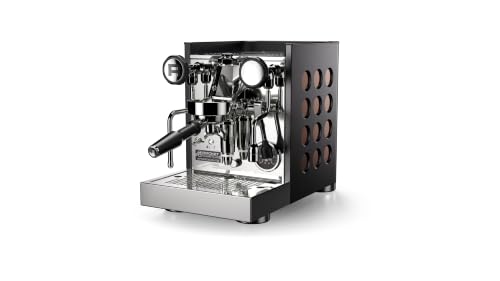
- Best for looks: Rocket Appartamento TCA, Black & Copper – hand-built Italian chrome and copper that still pulls proper espresso.
- Best value dual boiler: Sage The Dual Boiler, Brushed Stainless Steel – a lot of machine for the money, with temperature control built in.
- Best first machine: Gaggia Classic Evo Pro, Polar White – the classic starter that rewards you as your skills improve.


Dual boiler, heat exchanger or single boiler?
This is the big one. A dual boiler keeps separate water for brewing and steaming, so you can pull a shot and steam milk at the same time with stable temperatures. A heat exchanger uses one large steam boiler with a tube running through it to heat brew water, which gives you superb steam power and fast workflow. A single boiler does one job at a time: brew, then switch to steam. We go into this properly in our dual boiler vs heat exchanger guide, but as a rule of thumb, if you make several milk drinks back to back, it’s worth stepping up from a single boiler.
Lelit Bianca V3: the one to beat
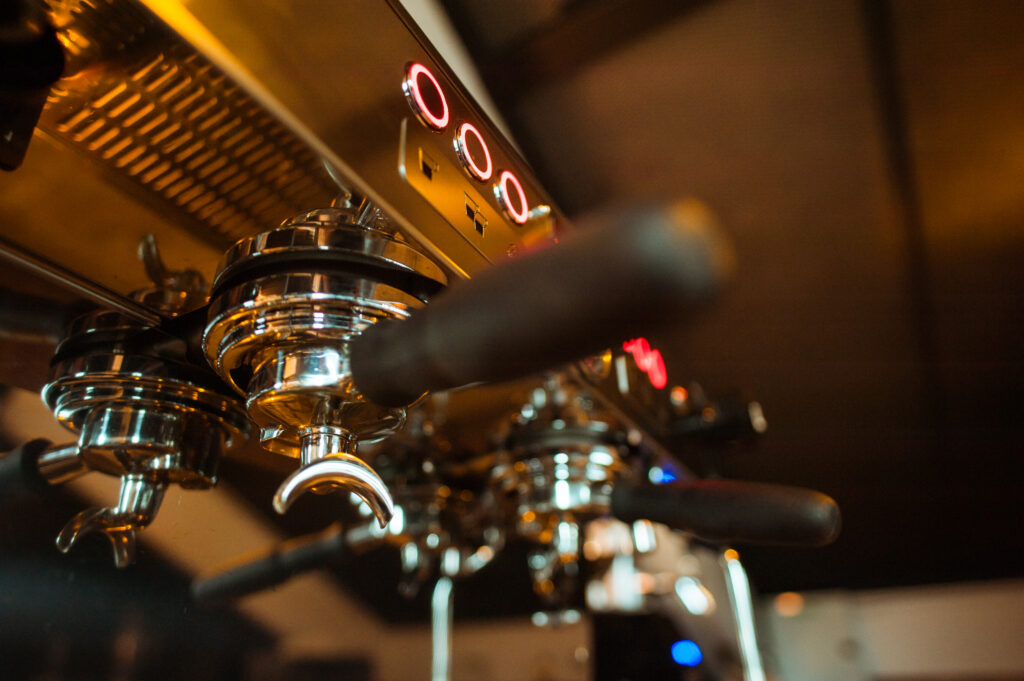
The Lelit Bianca V3 Dual Boiler is the machine many enthusiasts eventually end up with. The wooden paddle on the group lets you change the flow of water during the shot, so you can gently soak the puck before ramping up, or ease off at the end. It sounds fussy, but it’s the reason light roasts suddenly taste sweet and juicy instead of sharp. Add a rotary pump, plumb-in option and properly sturdy build and it’s a genuine long-term buy.
Lelit Mara X: the clever heat exchanger
Traditional heat exchangers had a reputation for running hot. The Lelit Mara X PL62X solves that with smarter temperature management, so shots are consistent without the old cooling-flush routine. It’s compact, quiet and steams milk like a café machine. For flat whites and cappuccinos, it’s hard to beat at the price.
Rocket Appartamento TCA: Italian style with substance
Rocket machines are made in Milan and they look the part. The Rocket Appartamento TCA, Black & Copper adds adjustable temperature control to the classic Appartamento, so you can tune brew temperature to your beans. Also available in steel and copper. If the Rocket Mozzafiato R FAST, Black is more your speed, you get a bigger, heavier machine with a sleeker body.
Gaggia Classic Evo Pro: where many great baristas started
There’s a reason the Gaggia Classic Evo Pro, Polar White has been around for decades. It’s simple, robust and uses a commercial-style 58mm portafilter, so all the best accessories fit it. Pair it with a good grinder and it’ll make better espresso than plenty of machines that cost twice as much. If you want a step up within the same family, the Gaggia Classic GT Dual Boiler brings dual boilers to the range.
Don’t forget the grinder
Here’s the honest truth: a great grinder with a decent machine beats a great machine with a poor grinder every time. Budget for one when you buy. Our guide to the best coffee grinders covers our favourites, from the Eureka Mignon Specialita, Matte Black to single-dose grinders like the DF64 Gen 2 Single Dose Grinder.
Manual espresso machines: the purist’s choice
If you want the most hands-on espresso experience, a manual lever espresso machine like the La Pavoni Europiccola Special Edition Lever Machine puts the pressure literally in your hands. There’s no pump: you pull the lever and control the shot yourself. It takes practice, but it’s quiet, beautiful and capable of incredible espresso. For something semi-automatic but still very involved, the Lelit Bianca V3 Dual Boiler with its paddle is the next best thing.
What about the espresso coffee machines with built-in grinders?
All-in-one espresso machines save space and money. The Lelit Kate PL82T with Built-in Grinder and Lelit Anita PL042TEMD with Built-in Grinder pair Lelit’s build quality with a built-in burr grinder, and Sage’s Sage Barista Pro, Black Truffle is a popular entry point. A separate grinder will always give you more control, but a quality combined machine is a perfectly good choice for a smaller kitchen.
Which should you buy?
- Mostly milk drinks, want speed: Lelit Mara X PL62X or Rocket Appartamento TCA, Black & Copper.
- Chasing the perfect black espresso, love tinkering: Lelit Bianca V3 Dual Boiler or Lelit Victoria PL91T.
- Want great coffee without the learning curve: look at our bean to cup machines instead.
- Starting out on a budget: Gaggia Classic Evo Pro, Polar White, then upgrade the grinder.
Browse every machine we rate in our espresso machines collection.
Frequently asked questions
What is the ideal pressure for espresso?
Around 9 bar at the coffee puck is the traditional target. Many machines advertise 15 or 20 bar pumps, but that’s the maximum the pump can produce, not what’s used for brewing. Better machines regulate pressure properly, and some, like the Lelit Bianca, let you vary it during the shot.
What is the ‘Rolls-Royce’ of home espresso machines?
For most enthusiasts it’s a commercial-grade dual boiler from a maker like La Marzocco or Lelit’s flagship Bianca. They’re built like café machines, last for decades and give you complete control over temperature and flow.
Is an espresso machine better than a bean to cup?
If you enjoy the process and want the very best espresso, yes. If you want great coffee at the touch of a button, a premium bean to cup machine is the better fit.
How much should I spend on an espresso machine?
Roughly £500 to £900 gets you a properly capable single boiler or entry heat exchanger. £1,000 to £2,000 is where dual boilers and premium heat exchangers live, and that’s where most people stop wanting to upgrade.